

As we navigate through 2026, the role of the security leader has shifted from being a “gatekeeper” to becoming a strategic orchestrator of digital trust. In a world where cloud environments change in milliseconds and AI agents outnumber human employees, the foundation of every successful security program is no longer just protection, it is clarity.
This guide is designed to help you, as a security leader, move beyond the stress of “tool sprawl” and manual inventories. Instead, we will explore how to build a state of continuous visibility that allows your team to move fast without the fear of the unknown.
The 2026 Strategic Pivot
In the past, asset management was a simple “accounting” task: knowing how many servers you owned. In 2026, that mindset has evolved into Asset Intelligence. Today, 85% of organizations have increased their security budgets, yet confidence remains low because the complexity of the cloud is growing faster than our ability to see it.
Visibility as the New Perimeter: Traditional network boundaries have effectively disappeared. In their place, real time asset intelligence has become the only viable foundation for a Zero Trust architecture. For the modern CISO, the mandate is no longer reactive, it is Preemptive. By achieving total visibility, you allow your team to disrupt potential attack paths before an adversary even discovers them.
The Anatomy of a 2026 Cloud Asset
To lead effectively, we must first redefine what an “asset” actually is. In 2026, assets are no longer just Virtual Machines (VMs) or storage buckets.
- Non-Human Identities (NHI): These are the “invisible workers” of your cloud service accounts, bots, and automated pipelines. Today, NHIs outnumber human users by an average of 80 to 1, making them the primary target for identity-based breaches.
- AI Assets: Your organization’s Large Language Models (LLMs), training datasets, and vector databases are now your most valuable (and vulnerable) intellectual property.
- API Endpoints: These are the doorways of the modern enterprise. They are the most frequent targets for cloud-native ransomware in 2026.
- Ephemeral Workloads: Assets like serverless functions or “spot instances” may only exist for a few minutes or even seconds. A strategic leader must ensure their tools can capture these “ghost assets” before they vanish.
The CAASM Strategic Framework
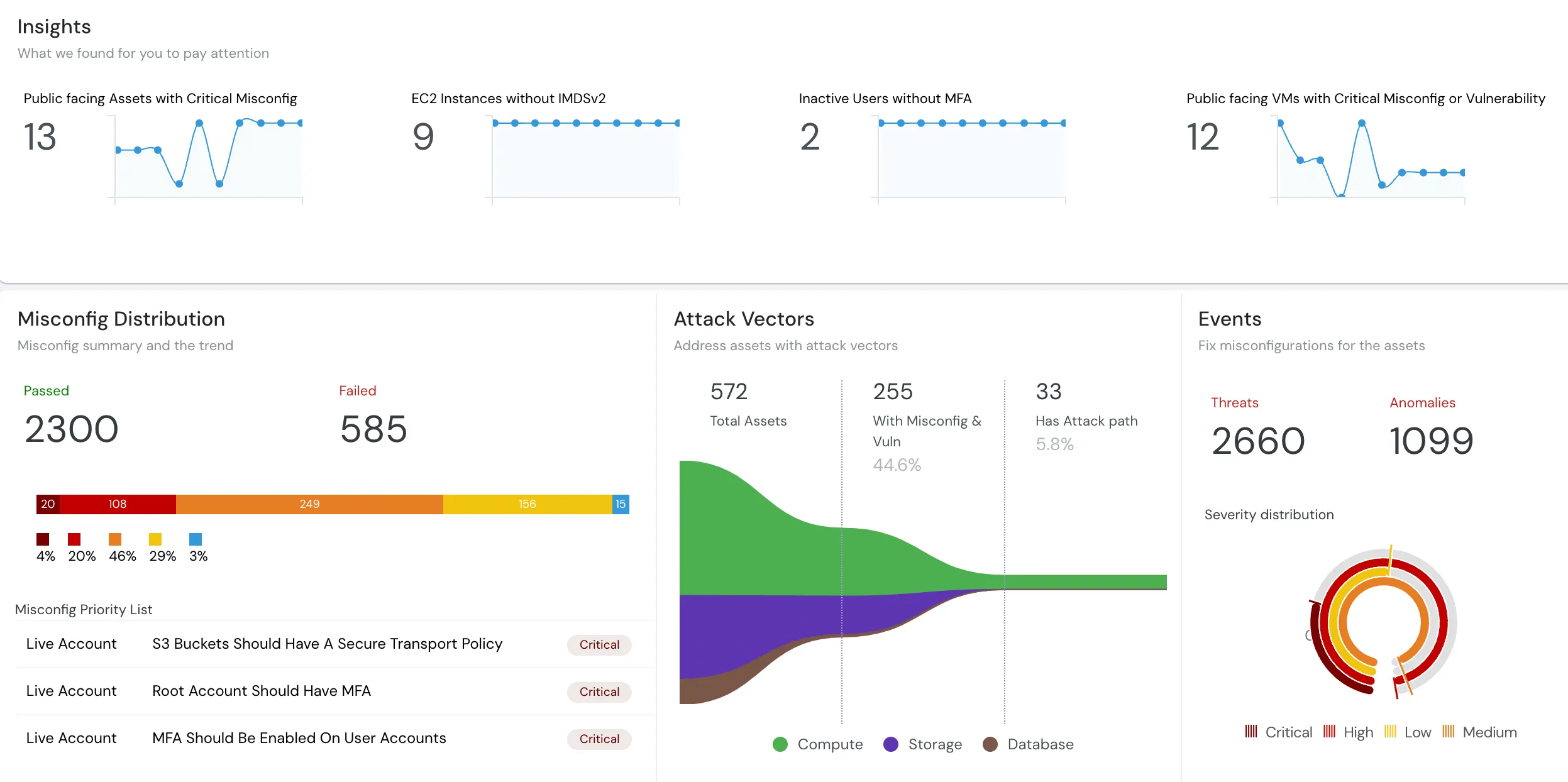
The “Multi-Cloud Nightmare” managing disparate data from AWS, Azure, and GCP is being solved by Cyber Asset Attack Surface Management (CAASM).
Strategically, CAASM is about creating a Single Source of Truth. Instead of relying on static lists, CAASM platforms use APIs to continuously pull data from your entire tech stack, including cloud providers, identity directories, and vulnerability scanners. A live cloud inventory is the backbone of this, and teams under real multi-cloud pressure prove it out in practice — see multi-cloud CSPM for a GCP-heavy fintech running GKE workloads.
Key Strategic Benefits
- Normalization: It translates the “different languages” of AWS and Azure into one clear view for your team.
- Risk-Based Prioritization: It doesn’t just show you every asset; it shows you which assets are “reachable” by a hacker, allowing your team to focus on the 2% of risks that actually matter.
- Remediation Loops: It connects discovery to action, triggering automated workflows when an asset deviates from your security standards.
Strategic Pillar: Identity-First Asset Governance
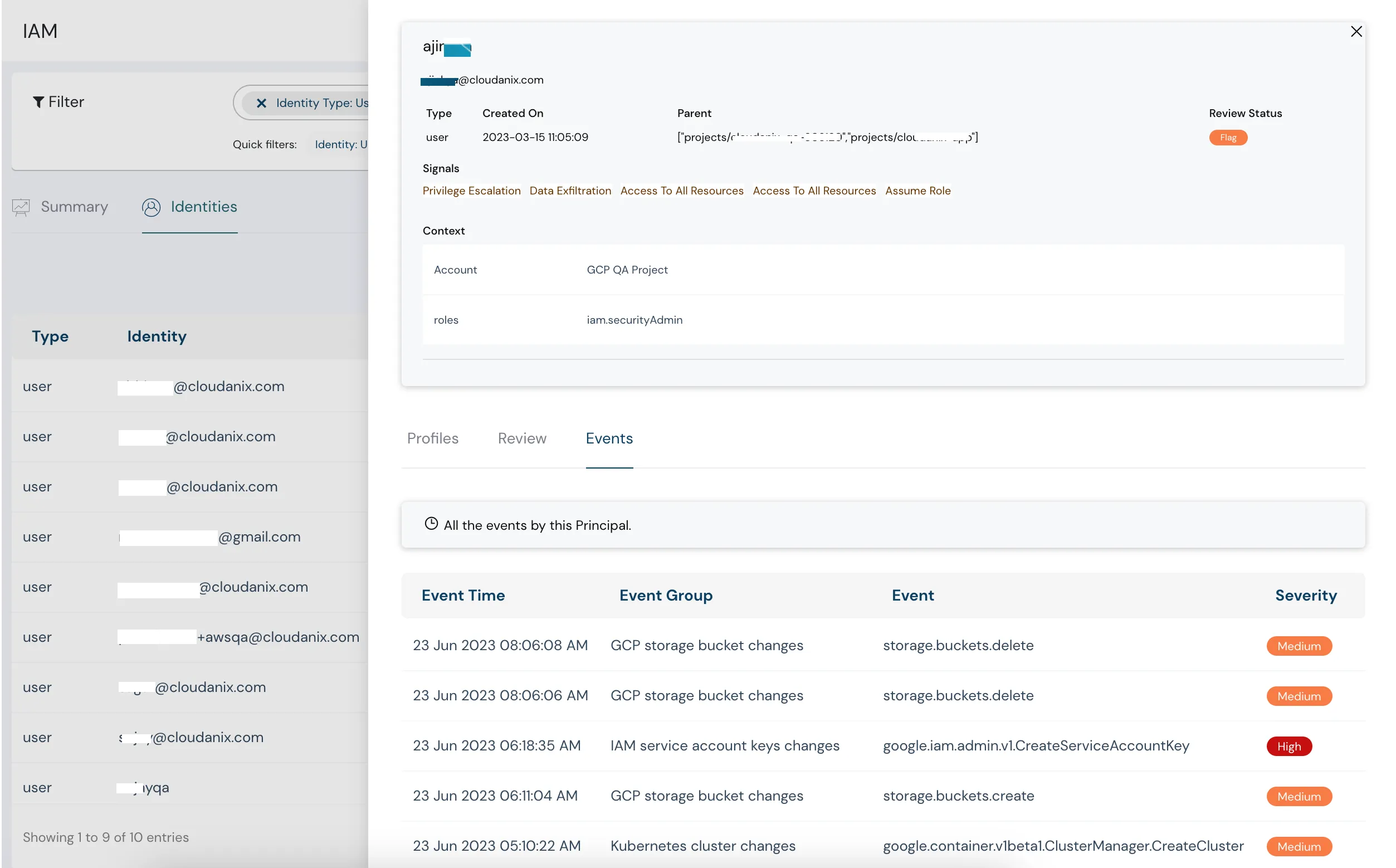
In 2026, “Identity” is no longer just a checkbox; it is a high-risk asset that requires continuous governance. The explosion of Non-Human Identities (NHIs) means that security leaders must treat “Permissions” with the same level of scrutiny as they treat physical hardware.
The Strategy for NHI Management
- Visibility Parity: Ensure that machine and agent identities are brought under the same accountability standards as human users — the challenge at the heart of unified cloud security for a multi-cloud fintech with EKS workloads and manual access management.
- Eliminating Permission Sprawl: Strategically prioritize the “right sizing” of permissions. By identifying “Shadow Admins” accounts that have administrative power without the official title you can aggressively reduce your organization’s “Blast Radius”.
Strategic Pillar: AISPM (AI Security Posture Management)
As AI moves from experimental pilots to core business production, AI Security Posture Management (AISPM) has become a top-tier priority for 2026 CISOs. AISPM is the practice of monitoring and improving the security of your AI systems across their entire lifecycle.
Governing the “Shadow AI” Just as “Shadow IT” was the challenge of the 2010s, “Shadow AI” is the challenge of today. Security leaders must be able to detect unauthorized AI agents or rogue LLM usage that might be leaking sensitive data. A strategic AISPM framework ensures that your organization can innovate with GenAI while maintaining compliance with frameworks like the NIST AI RMF and the EU AI Act.
The Leadership Roadmap: Operations & Finance
Effective asset management is not just a security task; it is a financial and operational one. In 2026, the most successful security leaders are those who align their strategy with FinOps (Financial Operations).
- Executive Strategy Alignment: The 2026 FinOps framework now includes security as a core capability. By aligning security visibility with cost optimization, you can prove to the board that your security spend is also reducing technical waste.
- Compliance as Code: Transition from periodic, stressful audits to real-time evidence collection. By automating compliance guardrails into your asset management, your team is always “audit-ready”.
- Culture of Ownership: Encourage a “shared responsibility” model where developers and engineers take pride in asset hygiene, such as proper tagging and lifecycle management.
Metrics that Matter for the 2026 Board
To prove the impact of your strategy, move away from technical jargon and focus on these three high-level KPIs:
- Mean Time to Inventory (MTTI): How quickly can your organization identify a new asset across any cloud? In 2026, this should be near-instant.
- Coverage Gap Analysis: What percentage of your cloud estate is actually under security oversight? This metric directly correlates to your hidden risk.
- Attack Path Reduction: Instead of counting vulnerabilities, measure how many potential “routes” a hacker has to your crown jewel assets.
Conclusion: Toward Autonomous Asset Intelligence
Looking ahead toward 2027, we are entering the era of Autonomous Asset Intelligence. We are moving away from manual dashboards and toward self-healing cloud environments that can automatically identify, secure, and decommission assets based on their risk profile.
As a leader, your goal is to build a culture where visibility is not a chore, but a competitive advantage. When you have total clarity over your cloud assets, you don’t just protect your company, you enable it to grow with confidence and speed.
People Also Read
- Cloud Asset Visibility: Multi-Cloud Inventory
- Configuration Drift Management: How to Detect Cloud Drift Before It Becomes an Incident
- Top 15 Cloud Misconfigurations in 2026 - How to Fix Them?
- Top 18 Challenges of Cloud Security in 2026
- What is Cloud Asset Management?
- Non-Human Identities: Complete Guide to Securing Machine-to-Machine Access
- From Tool Sprawl to a Single Dashboard: E-Commerce Cloud Security
- Securing Multi-Cloud Infrastructure for Enterprise
- The Critical Role of Asset Management and Kubernetes in Modern Cloud Security
- The Secrets of Cloud Security: Navigating Identity, Ephemerality, and the Multi-Cloud Frontier