Cloudanix Joins AWS ISV Accelerate Program

Protecting Privacy, Personal Data and the Rights of an Individual

GDPR Compliance

What is GDPR? On the 25th of May 2018, the General Data Protection Regulation (GDPR) was enforced, a significant reform in Europe's digital privacy laws. The GDPR can be considered as the world's most robust law on data protection. The General Data Protection Regulation specifies the data privacy regulation and protection in the European Union (EU) and the European Economic Area (EEA). The provisions of the GDPR are consistent across all 28 EU member states. This means every organization worldwide that has a business in the European Union or handles EU residents' data (even if you aren't based in the EU) should be GDPR compliant. At the heart of GDPR is personal data privacy and protection. GDPR + Cloud Any business in the world, irrespective of their location, should be GDPR compliant if they store or deal with EU residents' personal data. This data can be as obvious as a person's name or location data or something less apparent like an IP address and cookie identifiers. Safeguarding customers' personal data and showing that you adhere to laws such as GDPR proves to customers and partners that you care about their data. When using Amazon Web Services (AWS), Microsoft Azure, Google Cloud Platform (GCP), as a customer, you are responsible for configuring and using cloud services in a way that complies with the applicable directives contained within GDPR. Failure to comply with GDPR results in hefty fines and lawsuits.


Just-In-Time Access for GDPR Article 32

GDPR Article 32 requires implementing appropriate technical measures to ensure data security, including access controls. Cloudanix's Just-In-Time (JIT) access provides time-bound, privileged access to personal data across AWS, Azure, GCP, and OCI environments, ensuring access is granted only when necessary and automatically revoked. This zero-standing-privileges approach minimizes the risk of unauthorized access to EU residents' personal data, creates comprehensive audit trails for GDPR Article 30 record-keeping requirements, and demonstrates compliance with data protection by design principles mandated by Article 25.

Database Activity Monitoring (DAM) for Personal Data Protection

GDPR requires organizations to protect personal data from unauthorized or unlawful processing. Cloudanix's DAM solution provides real-time monitoring of database access patterns across AWS RDS, Azure SQL Database, Google Cloud SQL, and Oracle Cloud databases containing EU residents' personal data. DAM helps detect potential data breaches required to be reported under GDPR Article 33, tracks access to personal data for accountability under Article 5(2), and maintains detailed logs supporting data subject access requests (DSARs) required by Article 15.

Comprehensive Identity Management for GDPR Compliance

GDPR's accountability principle requires organizations to demonstrate compliance with data protection principles. Cloudanix provides identity governance for both human users and non-human identities (service accounts, API keys, workload identities) across multi-cloud environments. This includes continuous monitoring of who has access to personal data, enforcement of least-privilege access aligned with GDPR's data minimization principle (Article 5(1)(c)), and automated detection of excessive permissions that could lead to unauthorized processing prohibited by Article 6.

Misconfiguration Detection to Prevent Data Breaches

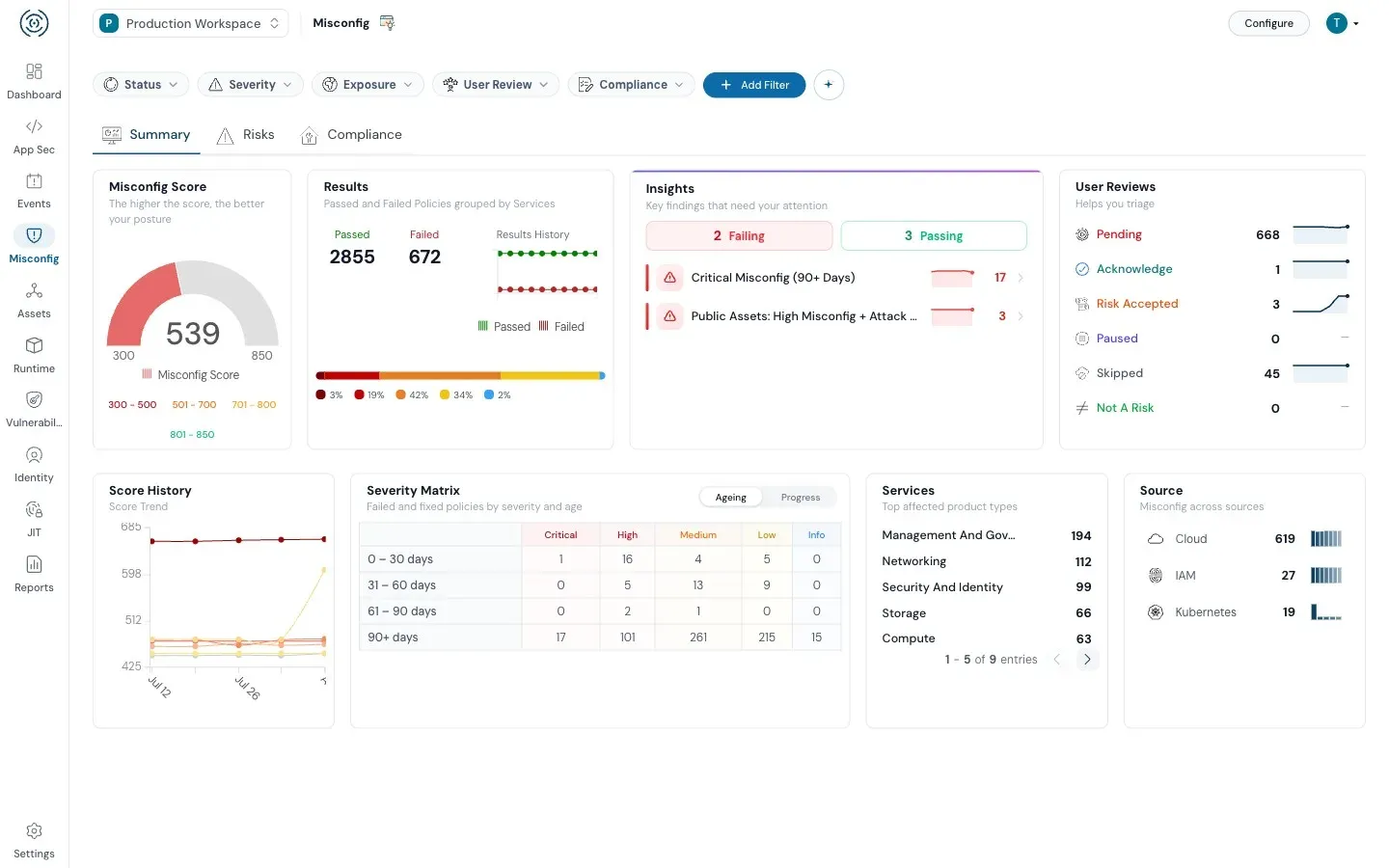
GDPR Article 32 mandates appropriate security measures to protect personal data. Cloud misconfigurations are a leading cause of data breaches that must be reported under Article 33. Cloudanix continuously scans AWS, Azure, GCP, and OCI environments for GDPR-relevant misconfigurations. Automated detection includes publicly accessible storage buckets containing personal data, unencrypted databases violating pseudonymization requirements, overly permissive access controls, and disabled audit logging that prevents breach detection. Immediate remediation helps organizations avoid the severe fines (up to 4% of global revenue) for GDPR non-compliance.

Workload Security for Data Processing Activities

GDPR requires security measures throughout the entire data processing lifecycle. Cloudanix secures cloud workloads including containers, Kubernetes clusters, serverless functions, and virtual machines across AWS, Azure, GCP, and OCI that process EU residents' personal data. Vulnerability scanning, runtime protection, and compliance monitoring ensure that data processing activities meet GDPR's security requirements under Article 32, while supporting data protection impact assessments (DPIAs) required by Article 35 for high-risk processing.

Software Bill of Materials (SBOM) for Supply Chain Accountability

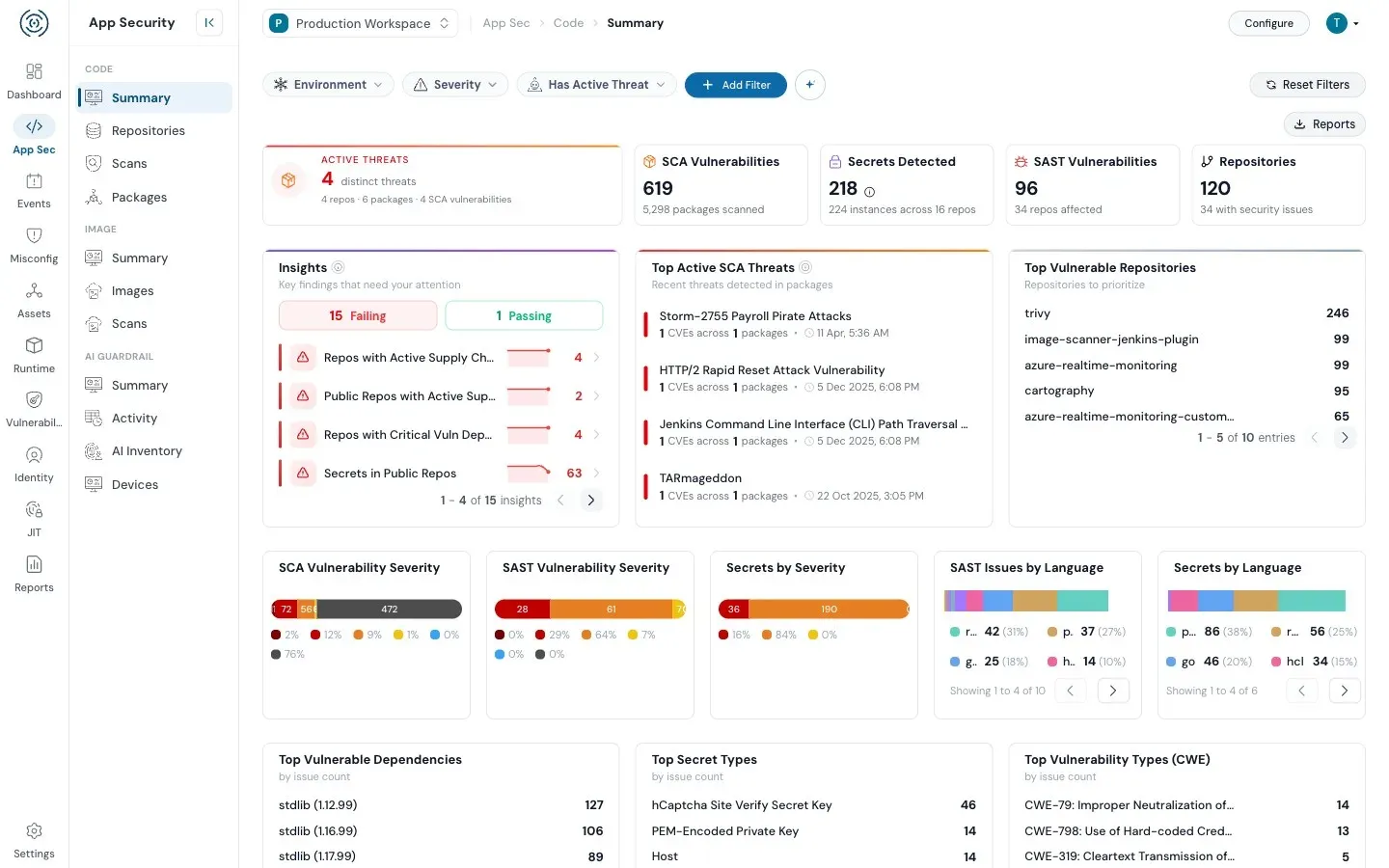
GDPR Article 28 requires controllers to use only processors that provide sufficient guarantees of security measures. Cloudanix generates comprehensive SBOMs for cloud workloads, providing visibility into all software components and vulnerabilities in your data processing supply chain. SBOM capabilities help organizations fulfill GDPR's accountability obligations, demonstrate due diligence in processor selection, identify vulnerable components that could compromise personal data, and maintain evidence of technical measures for GDPR audits and supervisory authority requests.

How Cloudanix Helps with GDPR Compliance

GDPR Compliance and Cloud Responsibility

Any business worldwide that stores or handles EU residents' personal data must be GDPR compliant. This includes obvious personal data like names and location, as well as less apparent identifiers such as IP addresses and cookies.

Global Responsibility and Compliance

Any business worldwide that stores or handles EU residents' personal data must be GDPR compliant. This includes obvious personal data like names and location, as well as less apparent identifiers such as IP addresses and cookies.

Cloud Service Responsibility

When using major cloud providers like AWS, Microsoft Azure, or Google Cloud Platform, customers are responsible for configuring their cloud services to comply with GDPR's directives. Failure to comply can result in heavy fines and lawsuits.

Building Trust Through Compliance

Demonstrating adherence to GDPR not only helps avoid penalties but also builds trust with customers and partners by showing a commitment to protecting their personal data.

Security, Automation, and Trust — All in One Platform

How Cloudanix Helps with GDPR Compliance

With rising cloud adoption comes an explosion in personal data — and with it, an increase in breaches and cyber-attacks. Customers are increasingly skeptical about how their data is used and stored. GDPR compliance not only protects you from hefty fines and lawsuits but also builds trust with your users. Cloudanix helps you close the Privilege Gap and stay ahead of compliance requirements through automated cloud security audits.

Loading animation...
cta-image

Security for your Code, Cloud and Data

Cloudanix replaces your 5-6 disjointed security tools within 30 minutes.

Get Started

CLOUDANIX

Insights from Cloudanix

Explore guides, checklists, and blogs that simplify cloud security and help you secure your infrastructure.