
Customer Snapshot
| Attribute | Details |
|---|---|
| Industry | SaaS Platform |
| Cloud Environment | AWS (multiple accounts) |
| Identity Model | ~70 users with read access, a handful with admin-write |
| IDP / SSO | SAML via Google Workspace → AWS IAM Identity Center |
| Access Governance | Existing internal process the team is satisfied with |
| Team Size | Small security team; DevOps handles remediation |
| Focus Area | Identity visibility and over-privilege detection — not JIT |
The Situation: The Team Wants Visibility, Not a New Access Workflow
There is an assumption baked into a lot of identity security marketing: that the answer to standing access is always Just-In-Time. For many teams it is. But not every team is looking to change how access is granted. This team already had an internal access process they were comfortable with, an IDP wired up through Google Workspace into AWS IAM Identity Center, and no appetite to introduce a JIT approval workflow into their engineers’ day.
What they did not have was visibility. They had roughly 70 users with read access and a handful with admin-write, spread across multiple AWS accounts. Nobody could say cleanly: who can actually reach what, where is access broader than it needs to be, and if one of these identities were compromised, what is the blast radius? The access-granting process was fine. The access-understanding was missing.
Pushing JIT on a team that has explicitly said “we have a process we like” is the wrong move. The right move is to meet them where they are and solve the problem they actually have: seeing and right-sizing the identities they already manage.
The Core Tension
The team’s need is analytical, not procedural. They do not want to re-plumb how access is requested and approved — they want to understand the access that exists. The tension in most identity tooling is that it leads with JIT enforcement, which this team does not want. What fits is a capability that provides deep identity visibility and over-privilege detection while leaving their existing access process untouched. Insight first, with enforcement left entirely optional.
Where the Gaps Were
“Read Access” Is Not One Thing
Seventy read-only users sounds low-risk. But “read” across AWS spans a wide range — and some read permissions are sensitive (reading secrets, reading data stores, listing detailed configuration that aids reconnaissance). Without analysis, the team could not distinguish benign read access from read access that quietly exposes sensitive material. The count (70) told them nothing about the shape.
Admin-Write Blast Radius Was Unmeasured
A handful of admin-write identities is where the real risk concentrates. But which accounts do they reach? What can each actually do? Are any of those admin grants broader than the person’s role requires? Without a blast-radius view, “5 or 6 admins” is a number, not a risk assessment.
Access Was Managed, But Not Analyzed
The internal process governed how access was granted and removed. It did not answer the analytical questions: which entitlements are unused, which identities are over-privileged relative to what they actually do, and where does effective access differ from intended access because of policy layering across accounts. A good granting process does not produce a good understanding of the resulting entitlement graph — that requires a different kind of tool.
Identity Findings Lived Apart From Posture
Even where the team had some identity information, it sat separate from cloud posture. The question “this misconfigured resource — who can reach it, and how badly does that matter?” could not be answered, because identity and posture were not connected.
How Cloudanix Addresses This Situation
CIEM: Visibility Without Changing How Access Is Granted
Cloudanix CIEM analyzes the identities and entitlements that already exist across all connected AWS accounts. It reads the current state and tells the team what it means. Crucially, it does not require adopting JIT, and it does not sit in the access-request path. The team’s internal process stays exactly as it is; Cloudanix adds the understanding layer on top.
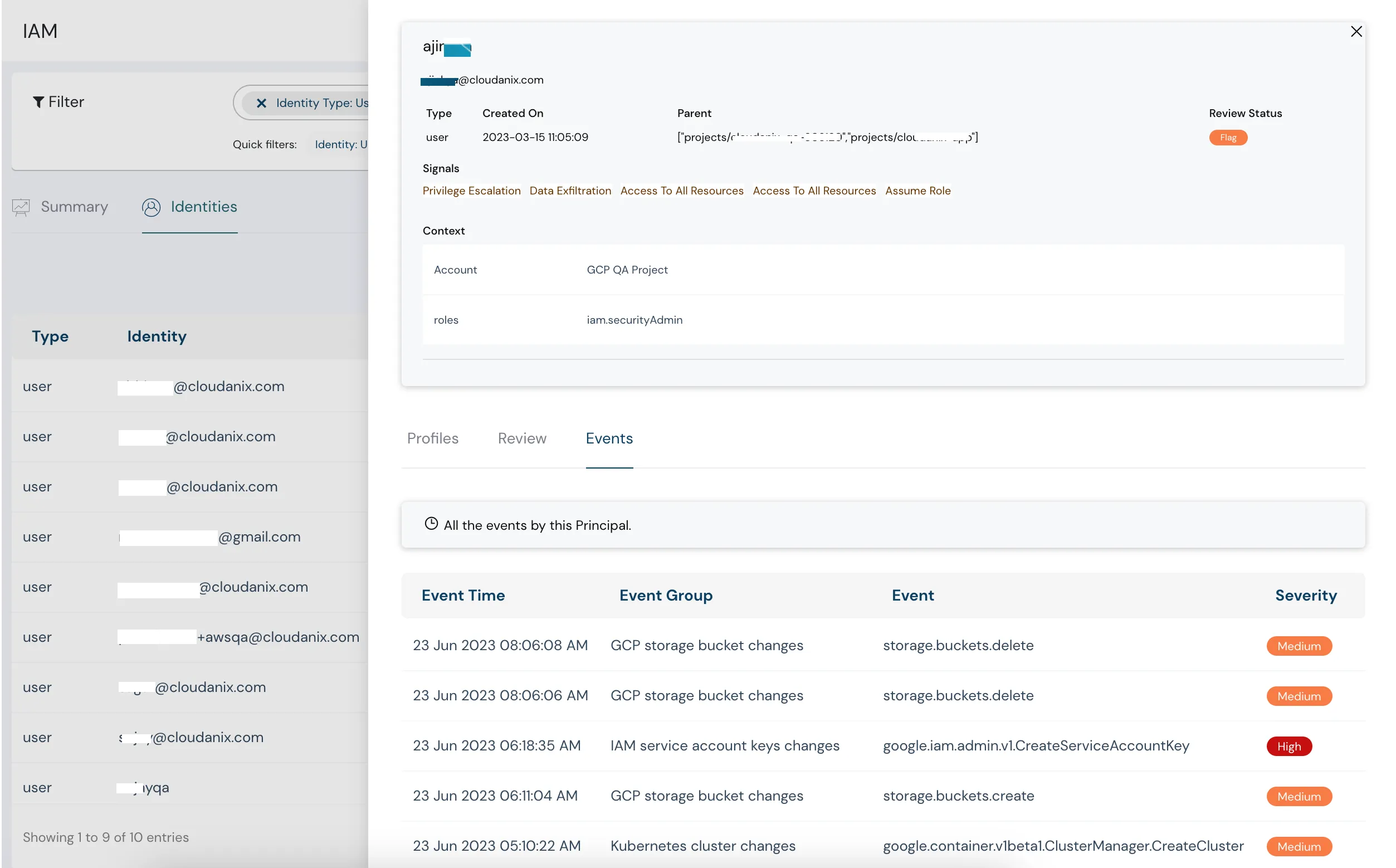
Effective Access Across Every Account
CIEM computes effective access — what each identity can actually do once policies, groups, and roles are resolved across accounts — not just what a single policy document says. For the team’s 70 read and handful of admin identities, this produces a clear map: who reaches which accounts, which resources, and at what level. The number becomes a picture.
Over-Privilege and Unused-Entitlement Detection
This is the heart of the value. Cloudanix flags where granted access exceeds what an identity actually uses and needs — the over-privileged read grant that can reach secrets, the admin whose effective reach spans accounts they never touch, the entitlements that have sat unused. These findings let the team right-size access through their own existing process. Cloudanix surfaces what to tighten; the team decides and applies it their way.
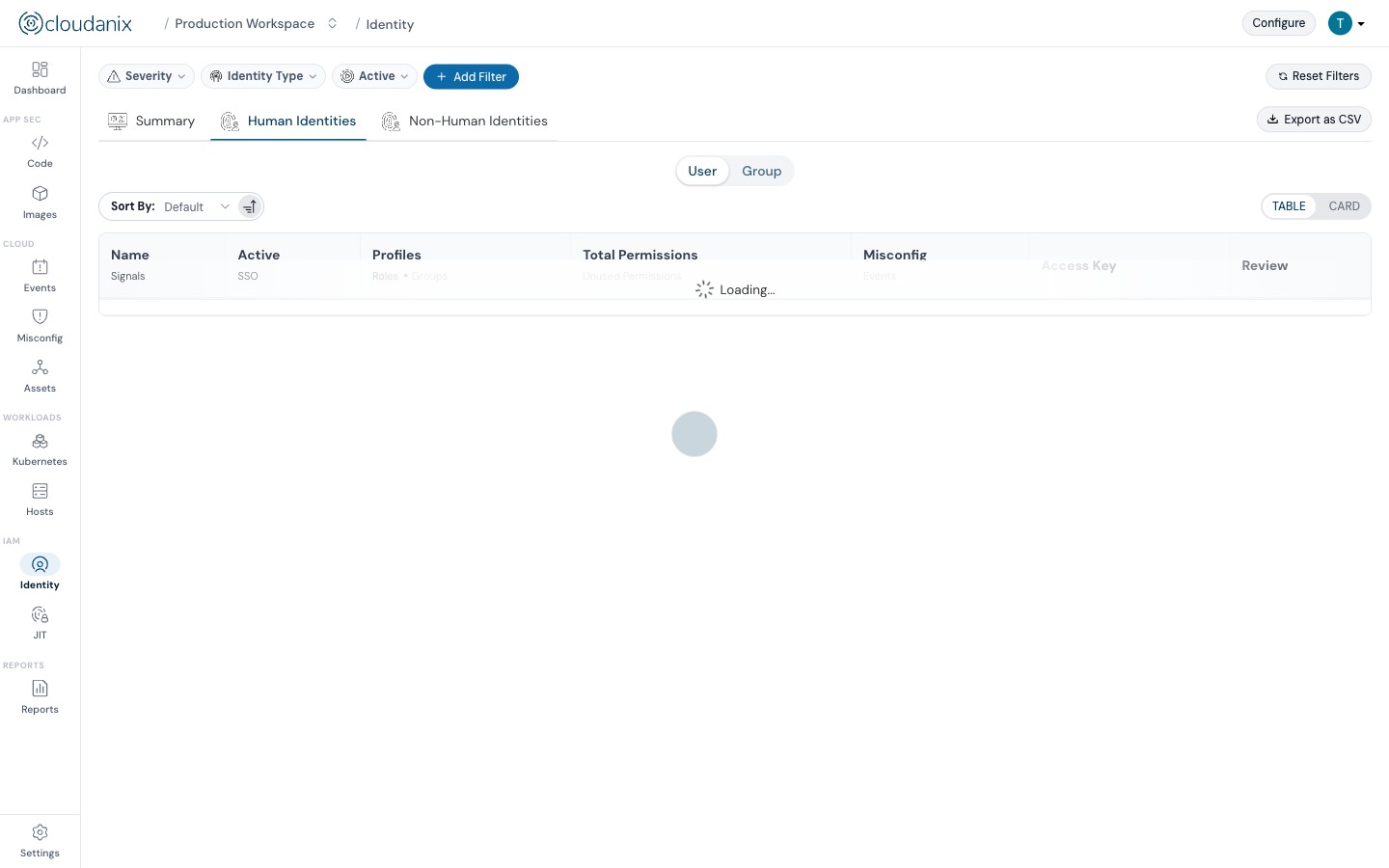
Blast-Radius View for Admin Identities
For the admin-write identities where risk concentrates, CIEM shows the blast radius: if this identity were compromised, what could an attacker reach across the organization? This turns “we have a few admins” into a measured statement about concentrated risk, and gives the team a prioritized list of which admin grants most warrant tightening.
Identity Correlated With Posture
Because CIEM runs on the same platform and asset graph as CSPM, identity connects to posture. A misconfigured resource is no longer just a misconfiguration — the team can see who can reach it and therefore how much it actually matters. This is the correlation that makes prioritization honest: the same misconfiguration is urgent if a broad identity can reach it and minor if nothing can.
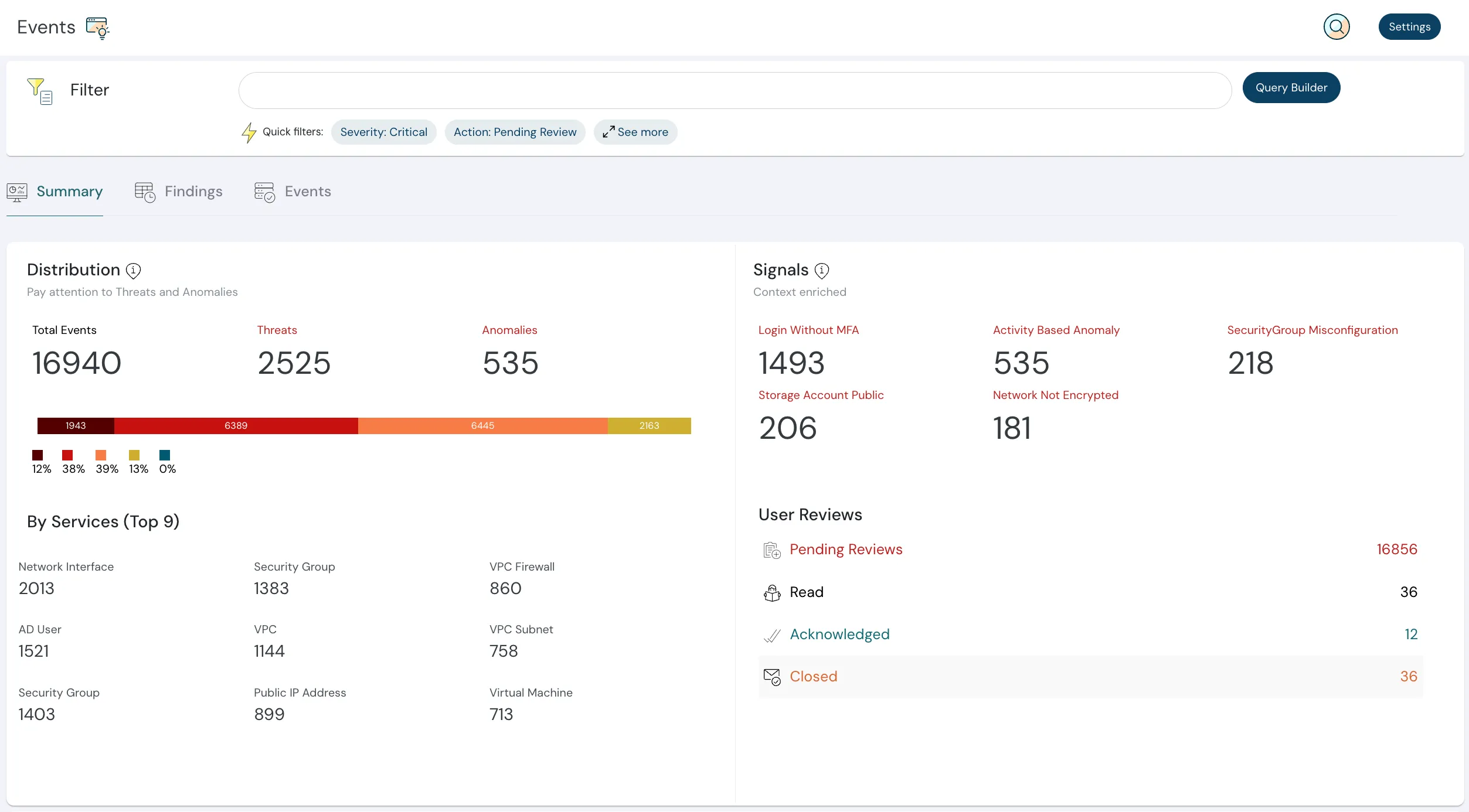
JIT Stays Available — But Optional
If the team ever decides it wants to time-box specific high-risk grants, Cloudanix Cloud Console JIT is there on the same platform, working with the IAM Identity Center they already use. But it is a choice, not a prerequisite. Nothing about the CIEM value depends on adopting it. The team gets the full analytical benefit while keeping their access process exactly as they prefer it.
Platform Impact
| Dimension | Before | After (CIEM) |
|---|---|---|
| Identity understanding | A count (70 read, ~6 admin) | Effective access mapped per identity |
| Read-access risk | Assumed low, unexamined | Sensitive read grants surfaced |
| Admin blast radius | Unmeasured | Quantified per admin identity |
| Over-privilege | Invisible | Flagged, with unused entitlements |
| Access process | Internal, manual | Unchanged — CIEM adds insight only |
| Posture prioritization | Identity-blind | Correlated with who can reach what |
Insight First, Enforcement Optional
The most useful thing a security team can do with cloud identity is often not to change how access is granted — it is to finally understand the access that already exists. A team with a working internal process and an IDP does not need to be sold a new workflow. It needs to answer the questions its process was never designed to answer: where is access broader than it should be, which identities carry real blast radius, and how does identity change the severity of everything else in the environment.
CIEM answers those questions without touching the access-request path. It respects a process the team is happy with, and it delivers the analytical layer that process lacks. If time-boxing ever becomes the right call for a subset of grants, JIT is one platform away — but the value here does not wait on that decision. Understanding comes first, and enforcement stays entirely the team’s choice.
Key Outcomes
- ✅ No Workflow Change: CIEM analyzes existing identities; your access process stays as-is.
- ✅ Effective Access Mapped: What each identity can actually do across every account.
- ✅ Over-Privilege Detection: Excess and unused entitlements surfaced for right-sizing.
- ✅ Admin Blast Radius: Concentrated risk quantified per admin identity.
- ✅ Identity-Aware Posture: Misconfiguration severity informed by who can reach it.
- ✅ JIT Optional: Available on the same platform if you ever want it — never required.
Want Identity Visibility Without a JIT Rollout?
If you have an access process you’re happy with and an IDP in place — but no clear view of who can actually reach what across your AWS accounts — Cloudanix CIEM delivers that understanding without changing how access is granted.
Book a Free Assessment to see your identity and entitlement picture across every AWS account in under 30 minutes.
Related Resources
- CIEM Solution: How Cloud Infrastructure Entitlement Management Reduces Breach Risk
- Safeguard Your Identity and Entitlements Across Multi-Cloud Environments
- Securing a Multi-Account AWS Environment Without a Landing Zone or Control Tower
- User Access Review in Cloud Security: A Foundational Guide
- Why IAM in the Cloud Needs Attention