

Most of the security news in any given week is about attacks. This one is about paperwork — and it deserves your attention precisely because it is easy to ignore until it is urgent.
The European Union has been layering new cybersecurity obligations on organizations, and a meaningful deadline is now here. If you build products with digital components, or provide services into the EU, the rules for how fast and to whom you report an incident just got more demanding. The good news: this is entirely manageable, and the teams that prepare the evidence trail in advance will find it almost routine. This post explains what is changing, why the first hour matters more than people expect, and how to get ready calmly.
What Is Changing
Two EU frameworks are converging, and their reporting requirements now overlap.
NIS2 is the EU directive that raises cybersecurity requirements for “essential” and “important” organizations across a wide range of sectors, and it comes with fast incident-notification duties. It is being written into national law across member states — for example, it became enforceable in the Netherlands on August 15, 2026, with no transition period, meaning thousands of organizations had to be ready on day one. (The scope has been broad enough that lawyers have noted sectors few would call “critical” are being pulled in.)
The Cyber Resilience Act (CRA) is the EU regulation focused on products with digital elements — hardware and software. It requires “secure by design” development and, importantly, that vulnerabilities are identified, managed, and remediated across a product’s whole lifecycle, with duties to report actively exploited vulnerabilities and severe incidents.
Here is the crunch point. Legal analysts have flagged that beginning September 11, 2026, a single incident can start as many as four EU notification clocks at once. A serious event might simultaneously trigger reporting duties under the CRA, under NIS2, and — if personal data is involved — under GDPR, each with its own recipient and its own deadline. Financial-sector organizations should add DORA to that list, since its operational-resilience reporting obligations can fire on the same incident.
Why the First Filing Matters More Than You Think
The instinct under time pressure is to treat the first notification as a quick, low-stakes placeholder. The analysis pushes back on that, and the reasoning is worth internalizing.
The first filing tends to become the official factual record — the baseline against which every later notification, customer communication, and regulator conversation is measured. If your first report is vague, inconsistent, or later contradicted by your own logs, that gap becomes the story. You end up explaining discrepancies instead of explaining the incident.
So the practical risk is not really the tight deadline. Fast clocks are a schedule problem. The deeper risk is accuracy under time pressure: can you state, within hours and with confidence, what happened, which systems and data were involved, who accessed what, and when? That is not a writing task. It is an evidence task — and evidence is either already there when you need it, or it is not.
The Real Requirement Behind the Rules
Strip away the acronyms and the deadlines, and every one of these frameworks is asking the same underlying questions. If you can answer them quickly and accurately, compliance follows almost automatically:
| The question a regulator (or your own report) needs answered | What it takes to answer it in hours, not weeks |
|---|---|
| What systems and data were affected? | A current inventory of assets and where sensitive data lives. |
| Who — or what — accessed the affected systems, and when? | An identity-stamped access trail across cloud, databases, and services. |
| Was the incident contained, and how? | A record of what changed, what was revoked, and when. |
| Are we meeting secure-by-design and vulnerability-management duties (CRA)? | Continuous posture and vulnerability evidence, not a point-in-time snapshot. |
Notice that none of these are answerable by scrambling after the incident. They depend on data you were already collecting continuously. That is the whole game: compliance reporting is a byproduct of good, always-on instrumentation — not a project you start when the regulator calls.
What You Can Do About It
You do not need a compliance army. You need the evidence trail to already exist and to be quick to assemble.
1. Map your obligations before an incident, not during one
Work out, in advance, which frameworks apply to you (CRA, NIS2, GDPR, and any national transposition), who the recipient authority is for each, and what the deadline and required contents are. A one-page “who do we notify, by when, with what” runbook removes the worst of the panic.
2. Keep a live inventory of assets and sensitive data
You cannot report on what you cannot see. Maintain a continuously updated cloud inventory of your assets and where regulated or sensitive data actually resides, so “which systems and data were involved?” is a lookup, not an investigation.
3. Make access identity-stamped and reviewable
Every access to a sensitive system or database should carry a clear record: which identity, granted how, for how long, and what they did. This is the essence of a defensible cloud audit trail, and it is exactly what teams build when closing the audit-trail gap from missing logs to complete access auditing. When a report asks “who touched this data and when,” you want a timeline you can export — not a reconstruction from scattered logs. Getting there usually means implementing JIT access across AWS, Azure, and GCP so every session is identity-stamped by default.
4. Capture posture and vulnerability evidence continuously
The CRA’s lifecycle expectations reward organizations that can show ongoing vulnerability management, not a one-time scan. Continuous posture evidence — mapped to the frameworks you answer to — means the audit trail is already written when you need it.
5. Draft the first filing from facts, not guesses
Because the first notification anchors everything after it, base it on your actual evidence trail. Being able to pull the real timeline quickly is what lets you file fast and file accurately — the combination the rules actually demand.
6. Know where your data lives
Several EU obligations intersect with data residency and sovereignty. Knowing — and being able to prove — where your data is processed and stored makes these conversations far simpler.
How Cloudanix Approaches This
At Cloudanix, we treat compliance as a first-class outcome of the platform, not a separate bolt-on report. The idea is that if you are running good cloud security, the evidence a regulator wants should already exist. A few pieces map directly to the reporting problem above.
Compliance and audit-evidence generation across 15+ frameworks — including NIS2, GDPR, ISO 27001, SOC 2, and more — means your posture findings are continuously mapped to the controls those frameworks care about. When you need to show adherence, the evidence exports rather than being assembled by hand.
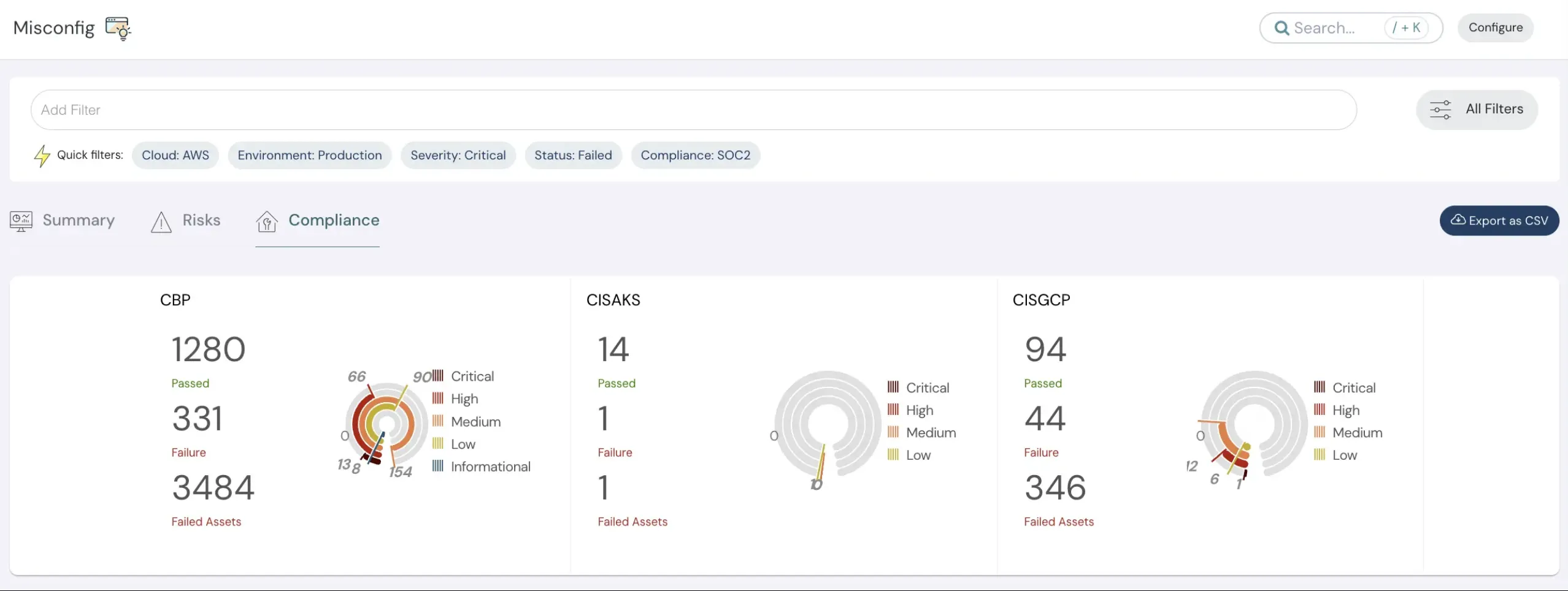
An identity-stamped audit trail for privileged access and database activity answers the “who accessed what, and when” question directly. Every just-in-time access session and every monitored database query is tied to a specific human or machine identity, with a timeline you can produce on demand — exactly the material a first filing needs to be accurate.
A continuous asset and data view on one graph means “which systems and data were affected?” is a query against a live picture, not a forensic dig. Posture, identity, and data context sit together, so scoping an incident is fast.
Data residency and sovereignty options — including in-region deployment and the option to run the platform inside your own cloud account — help with the parts of these frameworks that ask where your data lives and who can reach it.
This sits alongside whatever GRC process you already run. The point is not to replace your compliance team; it is to make sure that when the four clocks start, the facts they need are already in hand.
Key Takeaways
- The deadline is real, and it is layered. From September 11, 2026, one incident can trigger reporting under the CRA, NIS2, and GDPR at once — each with its own recipient and clock.
- The first filing sets the record. Everything after it is judged against it, so accuracy in the first hours matters more than speed alone.
- Reporting is an evidence problem, not a writing problem. What systems, what data, who accessed it, when, and how it was contained — these are answerable only if you were already collecting the data.
- Prepare before, not during. A notification runbook, a live asset-and-data inventory, and an identity-stamped access trail turn a scramble into a lookup.
- This is very manageable. Teams that build the evidence trail into their day-to-day security find the reporting almost routine — which is exactly the outcome the rules intend.
Want your NIS2, GDPR, and CRA evidence to be a click away instead of a fire drill? Book a demo to see how Cloudanix maps continuous posture, identity, and data evidence to the frameworks you report against.