
Cloudanix Joins AWS ISV Accelerate Program

Saudi Arabia Personal Data Protection Law

KSA PDPL

The Personal Data Protection Law (PDPL) of the Kingdom of Saudi Arabia is a comprehensive data protection regulation that applies to all organizations processing personal data within Saudi Arabia or offering goods and services to individuals in KSA. Enacted in 2021 and enforced from March 2023, the PDPL establishes requirements for collecting, processing, storing, and transferring personal data. The PDPL applies to both data controllers and processors, imposing obligations similar to other major data protection regulations like GDPR. For organizations using AWS, Azure, GCP, or OCI to process personal data of Saudi residents, PDPL compliance requires implementing appropriate technical and organizational measures including data security, consent management, breach notification, and cross-border data transfer controls. Non-compliance can result in significant penalties up to SAR 3 million.

Understanding KSA PDPL Requirements

The Saudi Arabia PDPL establishes comprehensive requirements for protecting personal data including Saudi nationals' names, identification numbers, contact information, financial data, and health information. The law applies to any organization processing personal data in KSA, regardless of where the organization is established. PDPL requires organizations to implement data protection principles including lawfulness, transparency, purpose limitation, data minimization, accuracy, storage limitation, and security. Organizations using AWS Middle East (Bahrain), Azure UAE regions, GCP, or OCI to process Saudi residents' personal data must ensure cloud infrastructure and applications comply with PDPL's stringent requirements.
Just-In-Time Access for PDPL Security Requirements

PDPL Article 19 requires controllers and processors to implement appropriate technical and organizational measures to protect personal data against unauthorized or unlawful processing and accidental loss, destruction, or damage. Access control is a fundamental security measure. Cloudanix's Just-In-Time (JIT) access provides time-bound, temporary privileged access to personal data across AWS, Azure, GCP, and OCI environments. JIT access minimizes exposure of personal data by eliminating standing administrative privileges, enforces approval workflows for access to systems containing personal data, maintains comprehensive audit trails required for PDPL accountability, and automatically revokes access to reduce unauthorized access risks.

Database Activity Monitoring (DAM) for PDPL Compliance

PDPL requires organizations to protect personal data through appropriate security measures and maintain records of processing activities. Organizations must also detect and respond to personal data breaches, reporting serious breaches to the Saudi Data Protection Authority (SDPA) within 72 hours. Cloudanix's DAM solution monitors database access in real-time across AWS RDS, Azure SQL, Google Cloud SQL, and Oracle Cloud databases containing Saudi residents' personal data. DAM detects unauthorized access to personal data, identifies suspicious database queries that could indicate a breach, maintains detailed audit logs of personal data access, and provides alerts supporting PDPL's 72-hour breach notification requirement.

Identity Management for PDPL Data Protection

PDPL requires that only authorized individuals have access to personal data and that access is limited to what is necessary for processing purposes. Modern cloud environments include thousands of identities — both human users and automated systems — that may access personal data. Cloudanix provides comprehensive identity governance across AWS, Azure, GCP, and OCI that monitors all identities with access to personal data, detects excessive permissions that violate data minimization principles, enforces least-privilege access to systems containing Saudi residents' data, tracks both human administrators and non-human identities (service accounts, API keys, workload identities), and ensures proper segregation of duties in personal data processing.

Cloud Security Configuration for PDPL

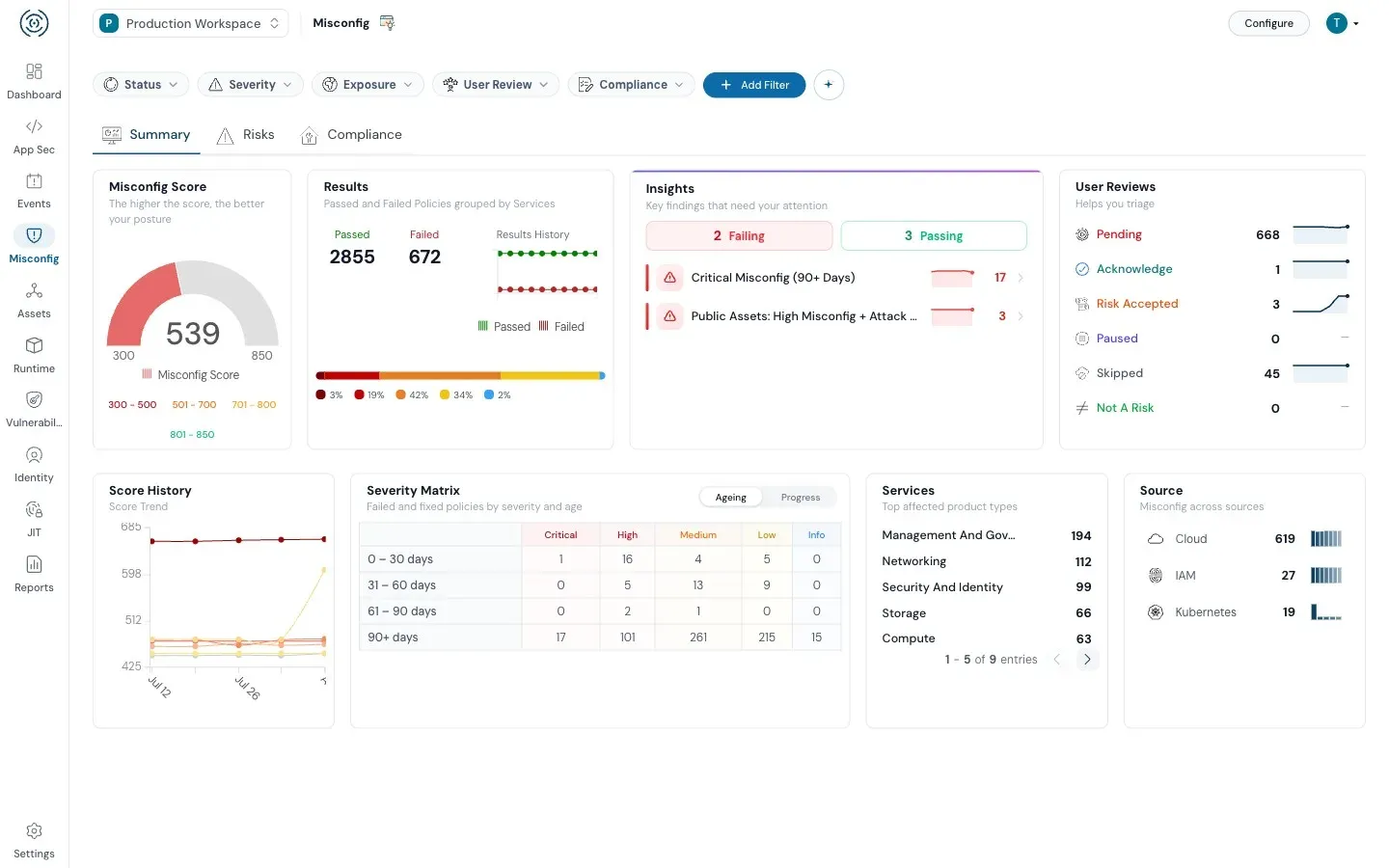
PDPL Article 19 mandates appropriate technical measures including encryption, pseudonymization, and security controls to protect personal data. Cloud misconfigurations frequently lead to data breaches that must be reported under PDPL's breach notification requirements. Cloudanix continuously scans AWS, Azure, GCP, and OCI environments for PDPL-relevant security misconfigurations including publicly accessible storage containing personal data, unencrypted databases violating PDPL security requirements, weak access controls to personal data, and disabled audit logging. Automated detection and remediation help organizations prevent data breaches and maintain PDPL compliance.

Workload Security for Personal Data Processing

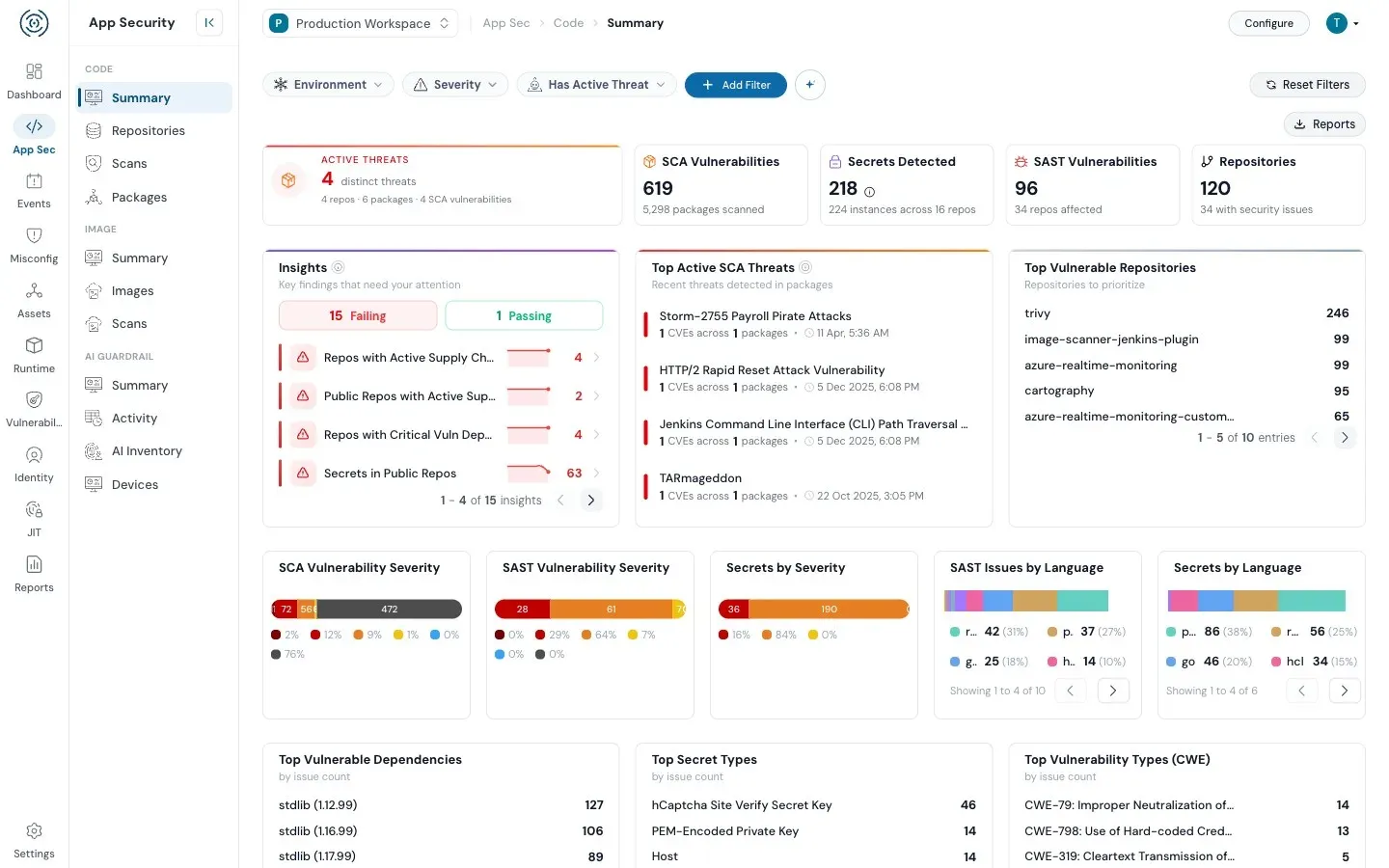
PDPL requires appropriate security measures throughout the entire lifecycle of personal data processing. Cloud workloads including applications, containers, serverless functions, and virtual machines that process Saudi residents' personal data must be properly secured. Cloudanix secures cloud workloads across AWS, Azure, GCP, and OCI through vulnerability scanning of applications processing personal data, runtime protection and monitoring, configuration compliance for workload security, and network segmentation enforcement. These capabilities help organizations meet PDPL's requirements for protecting personal data during processing activities.

Software Supply Chain Security for PDPL Processors

PDPL Article 20 requires data controllers to ensure that processors (including software vendors and cloud service providers) implement appropriate security measures. Organizations must understand and manage risks from third-party software components used in personal data processing. Cloudanix generates comprehensive Software Bill of Materials (SBOMs) for cloud applications and containerized workloads. SBOM capabilities provide visibility into software components processing Saudi residents' personal data, identify vulnerabilities in third-party libraries and dependencies, enable risk assessment of software supply chains, and support PDPL's requirements for processor oversight and due diligence in selecting appropriate technical measures for personal data protection.

Saudi Arabia Personal Data Protection

Achieve KSA PDPL Compliance with Cloudanix

The KSA PDPL establishes comprehensive requirements for protecting personal data of Saudi residents. Cloudanix helps organizations implement appropriate technical measures and maintain PDPL compliance across multi-cloud infrastructure.

Breach Detection and Notification Support

PDPL requires organizations to detect breaches and notify the Saudi Data Protection Authority within 72 hours of awareness.

Multi-Cloud PDPL Compliance

Maintain consistent PDPL compliance across AWS, Azure, GCP, and OCI environments processing Saudi residents' personal data.

Loading animation...
Comprehensive cloud security platform covering code to cloud protection

Security for your Code, Cloud and Data

Cloudanix replaces your 5-6 disjointed security tools within 30 minutes.

Get Started

CLOUDANIX

Insights from Cloudanix

Explore guides, checklists, and blogs that simplify cloud security and help you secure your infrastructure.