The dynamic nature of cloud environments has transformed how organizations approach security. Incident response (IR) and detection engineering are no longer static processes but active, collaborative disciplines that require continuous optimization to keep pace with an ever-changing threat landscape.
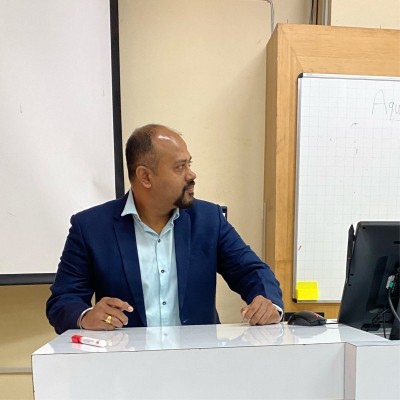
We spoke with Hilal Ahmad Lone, Information Security Leader at Razorpay, who shared his extensive experience across network, application, and data security. This article explores his insights on structuring high-performing teams, leveraging emerging technologies like Generative AI, and maintaining mental resilience in high-pressure leadership roles.
You can read the complete transcript of the epiosde here >
How should an incident response team be structured and equipped for the cloud?
Effectively handling cloud-based incidents requires more than just technical skill; it necessitates total team alignment on processes. Before engaging in Incident Response, a basic toolkit must be established, centered on a platform the team is comfortable using for detection.
Key components for equipping a team include:
- Playbooks and SOPs: Pre-designed playbooks and Standard Operating Procedures (SOPs) must be available for various types of incidents.
- Policy and Triage: Clear incident response policies should define how investigations and triaging happen.
- Escalation Policy: Defining exactly what and when to escalate is critical for rapid mediation.
What is the best way to develop and maintain an incident response plan?
A successful IR plan is a living document that must be continuously evaluated against performance metrics. Organizations should track their Mean Time to Detect (MTTD) and Mean Time to Respond (MTTR). If these metrics are not improving, the team must identify if the obstacle is a process issue or a lack of proper tooling.
Optimizing these policies is a collaborative effort. Feedback from the team is essential to identify gaps, such as slow stakeholder responses or a lack of detailed incident information. Because an adversary can pivot and impact systems within 15 to 30 minutes, the goal should always be a near real-time response capability.
How do external stakeholders influence the incident response process?
While security owns the IR tools, the process itself is heavily dependent on external stakeholders. Security teams may lack specific data on applications or identities, necessitating collaboration with IT, DevOps, and engineering.
Hilal recommends establishing a dedicated incident management team that includes representatives from various departments. These stakeholders play a vital role in:
- Visibility: Providing insight into their unique environments, which is crucial during complex events like DDoS attacks.
- Prioritization: Disputing or agreeing with the set severity and priority based on their understanding of the business impact.
How can organizations balance regulatory requirements with internal security goals?
Regulatory bodies often demand specific reporting timelines, such as the six-hour notification window required in India. While these external requirements provide necessary guidance and enforcement, they should not be the organization’s “North Star”.
For many organizations, a six-hour response time is too slow. Instead, the plan should be centered on protecting critical assets and determining the fastest recovery time possible for that specific business. Internal Service Level Agreements (SLAs) should be set to drive security operations toward a standard of excellence that exceeds legal minimums.
An example of a complex incident that lacked a predefined playbook
Hilal recalled a unique incident where an application server was hit by an application-layer Denial of Service (DOS) attack. Because it initially presented as a system-level performance issue (consuming CPU and memory), the engineering team tried to scale the resources rather than treating it as a security threat.
The investigation revealed that a developer had unintentionally installed a malware-infected package from an unauthorized source. With no existing playbook or known Indicators of Compromise (IOCs), the team had to:
- Perform deep system analysis and draw trend lines to identify when the consumption started.
- Analyze signatures of the questionable package using third-party tools.
- Revert the system to the last known good configuration. The primary lesson learned was the need to involve the incident response team at the first sign of a burst in resource consumption, rather than waiting for it to be confirmed as a security event.
What strategies can reduce the risk of third-party or open-source software vulnerabilities?
Scrutinizing open-source libraries is one of the most difficult tasks in security. To mitigate supply chain risks, organizations should focus on:
- Validation and Education: Developers must be educated on authorized packages and undergo hygiene checks before downloading code.
- Golden Images: Creating hardened software “golden images” ensures that deployments are based on a secure baseline. Upgrades should be performed on the image itself rather than directly on the server.
- Sanitization and Monitoring: Before code is committed, libraries should undergo static analysis and be listed in a Software Bill of Materials (SBOM) to ensure proper versioning and signature checking.
How effective is open-source software (OSS) for continuous monitoring?
Hilal is a strong advocate for OSS in cloud monitoring, utilizing a right tool for runtime security containers. However, “vanilla” versions of these tools often lack contextual information. Success with OSS requires heavy engineering and customization.
To achieve comprehensive visibility, organizations should:
- Centralize Data: Create a central data lake where all tool outputs are sent.
- Layer Capabilities: Combine OSS with system components, such as leveraging Falco with eBPF to gain contextual visibility into data exfiltration attempts.
- Analytics and Dashboards: Build queries and visualization dashboards (e.g., using Grafana) on top of the data lake to monitor demanding workloads effectively.
What is the role of Generative AI in the future of incident response?
Generative AI (GenAI) cannot solve all security problems, but it has significantly improved efficiency. It has reduced query analysis time from days to minutes because it can work with data in its native format.
GenAI’s primary benefits include:
- Natural Language Queries: It bridges the skill gap by allowing anyone to perform incident analysis using natural language rather than complex YAML or SQL queries.
- Playbook Assistance: While it can generate SOPs or playbooks, these must be reviewed and customized before use to avoid issues caused by “hallucinations”.
- Automated Response Pointers: It can act as an “assistant” to an incident responder by suggesting CLI commands to block specific ports or resources. However, GenAI cannot yet replace detection engineering functions like anomaly detection or behavioral analysis, which require interpreting long-term trends across multiple datasets.
What qualities are essential for detection engineering and incident response hires?
Hiring for IR and detection engineering is difficult because it requires a specific blend of street-smarts and technical mastery. Essential qualities include:
- Technical Expertise: Candidates must understand web servers, machine learning, and advanced analytics.
- Common Sense and Street Smarts: The ability to think on one’s feet and create something out of nothing.
- Composure: IR professionals are under pressure constantly; they must have calm personalities to soothe others during a crisis.
- Mature Decision Making: The ability to make snap decisions and invoke proper escalations without always having the luxury of asking for advice.
How can security leaders manage burnout in such a high-stress role?
CISO burnout is often caused by the heavy expectations of the role rather than just the workload. To manage this, Hilal suggests:
- Compartmentalization: Prioritize and compartmentalize your Key Performance Indicators (KPIs).
- Empowerment and Delegation: Empower your team to make decisions and provide them with the support they need. Delegating operational tasks allows the leader to focus on strategy, vision, and team branding.
- Personal Growth: Invest time in learning new skills and personal development to stay grounded.
- Maintaining Perspective: Do not panic during incidents; the world will not end if an investigation takes an extra hour or two.
Conclusion: The Proactive IR Mindset
Hilal Ahmad Lone’s approach to cloud security emphasizes that success is not found in a single tool or a static playbook, but in a culture of continuous preparedness and customization. By building a centralized data lake, empowering teams through delegation, and leveraging Generative AI as a sophisticated assistant rather than a primary decision-maker, organizations can bridge the widening skill gap. Ultimately, the backbone of a resilient security program is the ability to master the basics—hardened images, clear escalation paths, and robust communication—ensuring that the organization can respond with agility whenever the “screaming starts”.