

Identity and Access Management (IAM) has traditionally been considered one of the boring parts of security. But with the rise in the field of cloud computing, IAM has become increasingly important and industry experts quote it as “The new edge of security”.
Identity and access management (IAM) is a security practice to set business discipline that includes multiple technologies and business processes that provide the right asset access to authorized users or machines while keeping fraudsters at bay.
The identity and access management framework allows businesses to define user roles or group identities within their cloud infrastructure. Usually, IAM policies are formatted in a text file containing all identities and permissions. An example could be the team that creates a rule to permit a group of users to view and upload files to a designed storage location. But in reality, an organizational team can have hundreds or thousands of different IAM policies to handle.
Importance of Identity and Access Management
IAM gives the ability to authenticate the users who can access the right assets. Identity and access management allows organizations to share IT resources among multiple users or groups. Without IAM, teams would have trouble managing and accessing the required assets.
Allowing every user to have the same level of access could leave the organization with a huge problem. Understand that not every user needs the same level of access. Why would developers working with finance teams require permissions that developers working with the HR team do? Limiting access to your resources helps to mitigate the associated risks it carries. The right IAM structure allows security teams to prevent mishaps with minimal effort.
Learn more about IAM: What is Identity and Access Management?
IAM - The New Edge of Security
Earlier, network security controls such as firewalls and IPs, were the primary means of protecting systems and data. However, the cloud makes it difficult for traditional security controls to be applied because much of the networking infrastructure is hidden.
Additionally, the cloud-based models are widespread and allow for more dispersed access, increasing the attack surface and making it more challenging to control.
If you are moving to the cloud or already have cloud-based services in place, it is important to make sure that you have created and followed a strong IAM policy program. Taking IAM seriously can benefit organizations in securing their data and applications from unauthorized access.
How has Identity and Access Management evolved within the last five years?
IAM has evolved significantly in the last five years, driven by the rise of cloud computing and the increasing sophistication of cyberattacks. In the early days of IAM, organizations were focused on simply granting access to authorized users. However, as cloud computing became more prevalent, organizations realized that IAM is much more complex and requires a more strategic approach.
Top 10 Identity and Access Management Solutions
Below is a list of the top 10 Identity and Access Management solutions that were specifically developed for cloud environments but are not cloud native.
Note: The ratings for each IAM solution are referred from G2 and are not our desired values.
1. Cloudanix
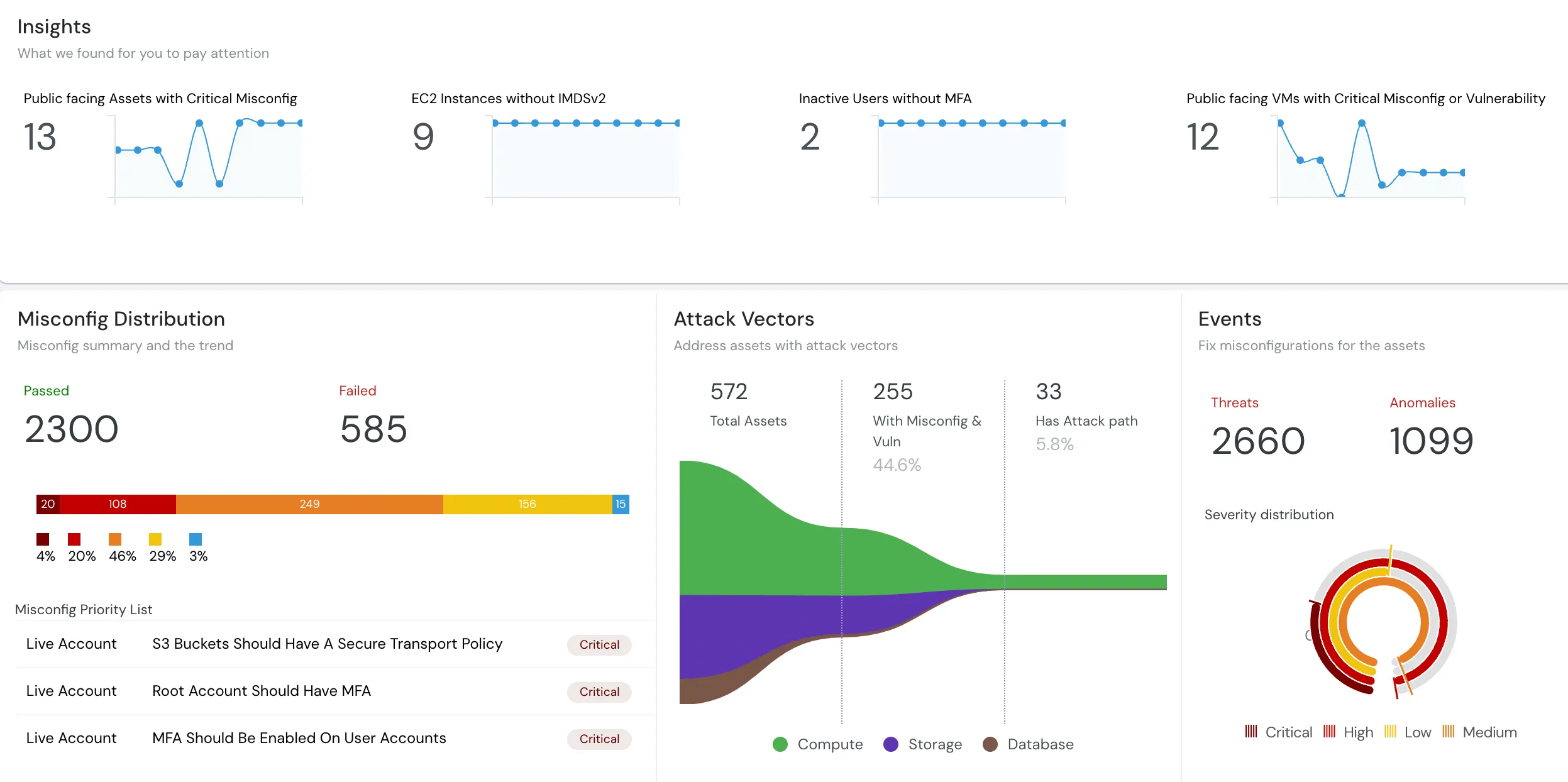
Cloudanix is a Ycombinator-backed security platform for your code, cloud, identities, and workloads. Cloudanix provides solutions for your multi-environments which may include multi-clouds, multi-accounts, multi-regions, multi-runtimes, etc. Cloudanix enables organizations across industries and geographies from startups to enterprises to not just identify and mitigate, but also remediate risks and threats. Onboarding takes less than 30 minutes and just 1 click.
- Website: Cloudanix
- Ratings: 4.9/5
2. Okta
As the leading independent Identity partner, Okta frees everyone to safely use any technology — anywhere, on any device or app. Brands trust Okta to enable secure access, authentication, and automation. With the flexibility and neutrality of Okta’s workforce identity and customer identity clouds, business leaders and developers can focus on innovation and accelerate digital transformation.
- Website: Okta
- Ratings: 4.5/5
3. HelloID
HelloID is a complete, cloud-based IDaaS solution that streamlines user provisioning, self-service, and single sign-on processes within an organization or educational institution. You can automate the entire user lifecycle process with HelloID by connecting your HR/SIS data to all your downstream systems. Account details and usage rights are automatically kept up-to-date, which reduces human error and increases security. HelloID puts the power of IDM into the hands of customers to meet current and future needs.
- Website: HelloID
- Ratings: 4.5/5
4. SailPoint
Harnessing the power of AI and machine learning, SailPoint automates the management and control of access, delivering only the required access to the right identities and technology resources at the right time. The platform seamlessly integrates with existing systems and workflows, providing a singular view into all identities and their access.
- Website: SailPoint
- Ratings: 4.⅘
5. Entrust
Entrust Identity as a Service is a cloud-based identity and access management (IAM) solution with multi-factor authentication (MFA), credential-based passwordless access, and single sign-on (SSO). Point-and-click provisioning and integrations with a variety of on-premises and cloud applications make Entrust Identity as a Service easy to deploy.
- Website: Entrust
- Ratings: 4.⅘
6. CyberArk
CyberArk Identity is a SaaS-delivered suite of solutions designed to simplify identity and access management in enterprises. CyberArk Identity unifies workforce access and identity management solutions in a single offering. CyberArk Identity is part of the CyberArk identity security platform.
- Website: CyberArk
- Ratings: 4.⅘
7. Tenable Cloud Security
Tenable Cloud Security (formerly Ermetic) reveals and prioritizes security gaps in the three major clouds and enables organizations to remediate them immediately. The Tenable cloud-native application protection platform (CNAPP) uses an identity-first approach to automate complex cloud infrastructure entitlement management (CIEM) and cloud security posture management (CSPM) operations.
- Website: Tenable
- Ratings: 4.7/5
8. DoubleClue
DoubleClue combines Identity- and Access Management with a hardwareless multi-factor authentication and comes with an integrated password and confidential data safe. DoubleClue protects everything around your account including passwords and the data you´d like to exchange safely with others.
- Website: DoubleClue
- Ratings: 4.5/5
9. miniOrgange
miniOrange IAM’s trusted platform offers frictionless solutions. miniOrange’s ultimate goal is to balance security for the enterprises and provide seamless access to their workforce, customers, and partners to the exact dedicated resources so that they can focus on what’s important.
- Website: miniOrgange
- Ratings: 4.5/5
10. Zscaler
The Zscaler cloud security platform utilizes its SASE atop its flagship offerings to provide a single pane of glass visibility and control across Zscaler private access and Zscaler internet access. The SASE solution also utilizes the Zscaler zero trust exchange to enforce least-privileged access via context-based identity and policy enforcement.
- Website: Zscaler
- Ratings: 4.⅘
How Can Cloudanix Help?
Comprehensive Just In Time Access Across Your Infrastructure - Cloudanix provides Just In Time access for every layer of your cloud infrastructure. Eliminate standing privileges and achieve true Zero Trust security with time-bound, workflow-approved access. Cloudanix JIT can be integrated with your IAM, Identity Center, or cloud provider setup in approximately 30 minutes. The deployment requires no changes to your existing tooling or workflows, making adoption seamless for your teams. You can start with a pilot group and expand gradually.
People Also Read
- A Complete List of AWS IAM Misconfigurations
- Why IAM in the Cloud needs attention?
- Implementing IAM in the Google Cloud Platform (GCP)
- Elevate your Security with IAM Just-In-Time (JIT) Access
- Role of AI in Identity and Access Management
- What is Multi-Factor Authentication (MFA)?
- User Access Review in Cloud Security
- Safeguard Your Identity and Entitlements across multi-cloud environments